Source Large PP Plastic Case with Wheels for Tools, Instruments, and Equipment
Compare 30 large pp plastic case with wheels options from verified Chinese manufacturers. These durable cases feature waterproof ratings, customizable foam, and OEM support for protecting tools, instruments, and sensitive equipment during transport; compare the available evidence and request quotations based on your requirements.
Key considerations
Products List
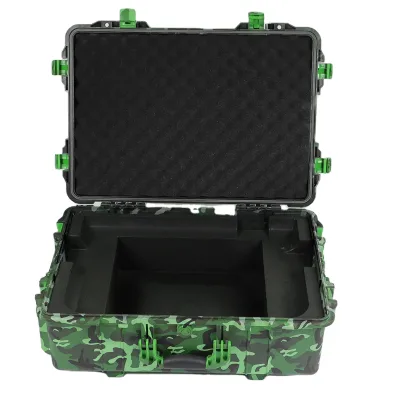


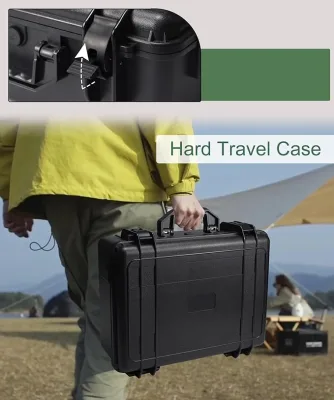


Comprehensive Sourcing Guide
Large PP Plastic Case with Wheels Sourcing Guide
Procuring large wheeled plastic cases requires a disciplined approach to verifying structural integrity and functional utility. Buyers must prioritize suppliers who provide detailed dimensional data, as the observed listings indicate significant variations in external and internal measurements. For instance, specific models range from compact tool holders to long, elongated cases designed for specialized equipment. Understanding these physical parameters is critical for ensuring the case fits your specific inventory or instrument requirements without compromising transport efficiency.
The material composition, primarily polypropylene (PP), offers a balance of durability and weight that is essential for mobile applications. However, not all PP cases are created equal; some listings specify PP Alloy, which may offer enhanced impact resistance. Buyers should scrutinize the product descriptions for material grades and confirm whether the case is suitable for the intended environmental conditions. This initial assessment helps filter out products that may lack the necessary robustness for heavy-duty industrial use or frequent transit.
Product Scope and Observed Listing Signals
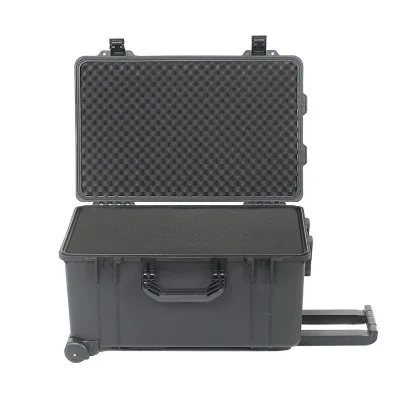
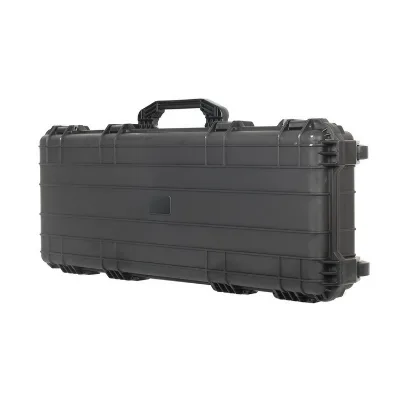
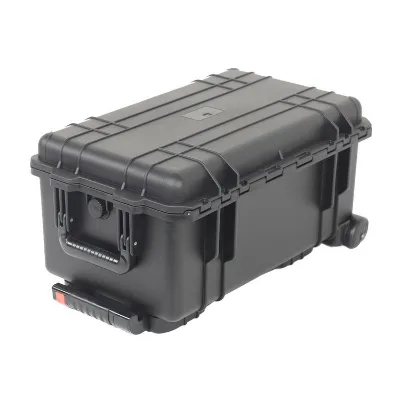
The market for large PP plastic cases with wheels encompasses a diverse range of form factors, from square-shaped multipurpose tool cases to long, rectangular designs. Observed listings include specific model numbers such as WRT-28, WR-29D, and WRT-22, each with distinct external dimensions. For example, one model measures 625 x 420 x 340 mm externally, while another extends to 1133 x 422 x 155 mm. These variations indicate that suppliers cater to different storage needs, from general tool organization to the transport of long instruments or equipment.
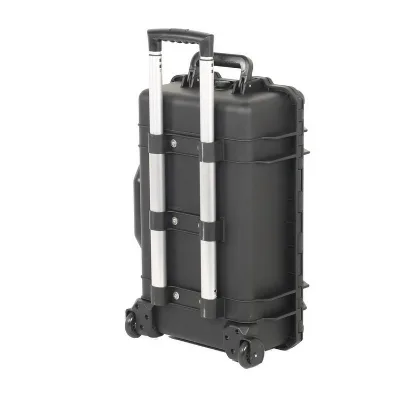
Buyers should note that the internal dimensions are consistently smaller than the external measurements due to wall thickness and lid depth. For instance, a case with external dimensions of 581 x 360 x 298 mm has an internal capacity of 510 x 290 x 240 mm. This discrepancy is crucial for planning, as it determines the actual usable space for your items. Additionally, the presence of wheels and handles is a standard feature in these listings, facilitating mobility. Verifying the specific configuration of the wheeled mechanism is essential to ensure it supports the weight of the loaded case.
Technical Specifications to Verify
When evaluating technical specifications, focus on the waterproof rating, which is a key performance indicator for protective cases. Several listings explicitly state an IP67 rating, indicating protection against dust and temporary immersion in water. This specification is vital for buyers operating in outdoor or harsh industrial environments where exposure to moisture is likely. Confirming this rating through supplier documentation ensures that the case will protect sensitive equipment from environmental hazards during transit and storage.
Dimensional accuracy is another critical technical aspect to verify. Listings provide detailed breakdowns of bottom depth and lid depth, such as 250 mm and 48 mm for one model. These figures help buyers understand the structural composition of the case and ensure that the total height matches their storage or transport constraints. Additionally, the material type, whether standard PP or PP Alloy, should be confirmed to match the required durability standards. Precise dimensional data prevents costly errors in logistics planning and ensures compatibility with existing storage systems.
Compliance and Safety Documentation
While specific certification standards are not always explicitly listed in product descriptions, buyers should request documentation regarding material safety and environmental compliance. Polypropylene is generally considered safe for industrial use, but verifying the absence of harmful additives is prudent, especially for cases used in food-related or medical-adjacent industries. Suppliers should be able to provide material safety data sheets (MSDS) that detail the chemical composition and any potential hazards associated with the plastic material used in the case construction.
Safety features related to the wheeled mechanism and locking systems also warrant attention. Although not always detailed in basic listings, the robustness of the wheels and the security of the latches are critical for preventing damage to contents and ensuring user safety. Buyers should inquire about the load-bearing capacity of the wheels and the type of locking mechanism employed. Requesting samples for physical inspection can help verify these safety features, ensuring that the case meets the operational safety requirements of your organization.
Cost Drivers and Commercial Terms
The cost of large PP plastic cases is influenced by several factors, including size, material grade, and customization options. Observed price ranges in the market span from $2.6 to $899, reflecting the wide variety of available options. Larger cases with enhanced features, such as IP67 waterproofing or PP Alloy construction, typically command higher prices. Buyers should request detailed quotations that break down costs based on these variables to understand the value proposition of each option.
Minimum Order Quantity (MOQ) is another significant commercial term to consider. Listings indicate MOQs ranging from 1 to 100 pieces per color, with some suppliers specifying 50 or 100 pieces. This flexibility allows buyers to test the market with smaller orders before committing to larger volumes. Negotiating terms based on order volume can lead to better pricing, but buyers must balance this against the risk of overstocking. Understanding the supplier's production capacity and lead times is also essential for aligning procurement schedules with operational needs.
Supplier Qualification and Quality Control
Qualifying suppliers involves assessing their manufacturing capabilities and quality control processes. Look for suppliers who provide detailed product specifications and are transparent about their production methods. The origin of the product, such as Guangdong or Zhejiang, China, can be a factor in evaluating supply chain reliability. Suppliers with established manufacturing facilities in these regions often have the infrastructure to handle large-scale production and maintain consistent quality standards.
Implementing a robust quality control plan is essential for ensuring that the received products meet the specified requirements. This includes pre-shipment inspections to verify dimensions, material integrity, and functional features like wheels and latches. Buyers should define acceptance criteria based on the technical specifications discussed earlier, such as IP67 rating and internal dimensions. Collaborating with third-party inspection services can provide an additional layer of assurance, reducing the risk of receiving defective or non-compliant products.
Long-Term Procurement Checks
Establishing a long-term procurement strategy requires ongoing monitoring of supplier performance and market trends. Regularly reviewing supplier quality metrics, such as defect rates and on-time delivery performance, helps identify potential issues early. Building a relationship with a reliable supplier can lead to better terms and more responsive service, which is crucial for maintaining operational continuity. Buyers should also consider the supplier's ability to adapt to changing requirements, such as new customization needs or regulatory changes.
Diversifying the supplier base can mitigate risks associated with single-source dependency. While it is beneficial to have a primary supplier, maintaining relationships with secondary suppliers ensures that you have alternatives in case of supply disruptions. Regularly updating your supplier database with new contacts and performance data helps in making informed decisions during the procurement process. By staying proactive in supplier management, buyers can ensure a stable and efficient supply chain for large PP plastic cases with wheels.
FAQs
What materials are used for these wheeled cases?
These cases are primarily constructed from PP or PP Alloy materials to ensure durability and impact resistance. Some listings also mention Polyester for specific soft case variants. The hard shell design provides robust protection for instruments and tools during transport.
Can I customize the color and logo on the case?
Yes, customized support including color, foam, and logo options is available for these products. Buyers can request specific branding or internal foam layouts to suit their equipment needs. This customization service allows for tailored solutions for various industrial and personal applications.
What is the minimum order quantity for these cases?
The minimum order quantity varies by supplier, with observed ranges starting from 50 to 100 pieces per color. Some listings indicate a flexible MOQ of just one piece for single items. Buyers should verify the specific MOQ requirements with the manufacturer before placing an order.
Are these cases waterproof and what is the rating?
Yes, these cases are designed to be waterproof with an IP67 rating to protect contents from dust and water immersion. The sealed construction ensures that sensitive instruments remain safe in harsh environments. This feature makes them suitable for outdoor and industrial tool storage applications.
Which dimensions are available for the large plastic cases?
Available external dimensions include sizes like 625 x 420 x 340 mm and 1133 x 422 x 155 mm depending on the model. Internal dimensions also vary, such as 581 x 360 x 298 mm for specific models. Buyers should select the size that best fits their specific equipment requirements.
How long is the warranty period for these cases?
The warranty period for these wheeled cases is typically three years from the date of purchase. This coverage ensures reliability and protects against manufacturing defects during normal use. Buyers can expect long-term durability and support for their investment in high-quality protective storage solutions.
Where are these plastic cases manufactured and shipped from?
These cases are manufactured in China, specifically originating from regions like Guangdong and Zhejiang. The production facilities are located in these key manufacturing hubs to ensure efficient supply chain management. Buyers can expect competitive pricing and reliable shipping logistics from these established industrial centers.